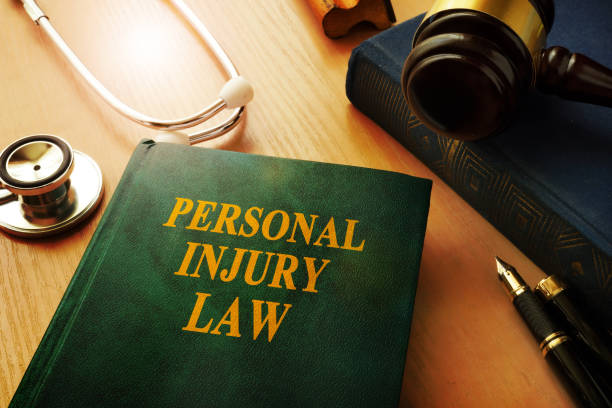
When you’re involved in an accident or suffer injuries due to someone else’s negligence, navigating the complexities of personal injury law can be overwhelming. Hiring a personal injury attorney offers numerous advantages that can significantly impact the outcome of your case. Here are five compelling reasons to consider hiring a professional advocate.
1. Expert Knowledge of Personal Injury Laws
Personal injury law encompasses various rules and regulations that differ by state and type of case. A qualified attorney brings extensive knowledge about:
– Filing deadlines, such as statutes of limitations
– Legal procedures and documentation requirements
– Specific laws related to negligence, liability, and compensation
By understanding the intricacies of these laws, attorneys can build a strong case tailored specifically to your situation. Without this expertise, you risk missing critical steps or underestimating the value of your claim.
2. Accurate Valuation of Your Claim
Calculating the true value of your personal injury claim extends beyond medical bills. An experienced lawyer takes into account:
– Past and future medical expenses
– Lost wages and diminished earning capacity
– Pain and suffering or emotional distress damages
– Property damage costs (if applicable)
Attorneys often work with financial experts to ensure all aspects of your loss are quantified accurately so that you don’t settle for less than you deserve.
3. Skilled Negotiation With Insurance Companies
Insurance companies often prioritize minimizing payouts over fair compensation for victims. Adjusters may use tactics to devalue or deny claims altogether. A personal injury attorney serves as an advocate who can:
– Handle all communication with insurance providers on your behalf
– Negotiate effectively using evidence-based arguments and legal precedent
– Push back against low-ball settlement offers
This advocacy ensures that insurance carriers are held accountable for providing fair compensation aligned with the facts of your case.
4. Access to Resources for Building a Strong Case
| Resource Type | Examples | Purpose |
| Investigative Tools | Accident reconstructions | To determine fault and liability |
| Medical Experts | Doctors, specialists | To provide testimony on injuries |
| Legal Precedents | Prior rulings in similar cases | To strengthen arguments in court |
These tools allow attorneys to craft compelling cases whether negotiating settlements or proceeding to trial.
5. No Upfront Costs With Contingency Fees
Personal injury attorneys typically operate on a contingency fee basis—meaning you pay nothing unless they win your case. This structure offers several benefits:
– Reduced financial burden during recovery
– Motivation for lawyers to secure maximum compensation
– Assurance that you won’t incur unnecessary legal fees
This arrangement makes quality legal representation accessible even if you’re facing financial challenges after an accident.
Hiring a personal injury attorney is not merely about convenience; it is about securing justice and ensuring fair treatment throughout the claims process. From navigating complex laws to negotiating with insurance companies, their expertise empowers victims during challenging times while working toward optimal results for their clients’ futures.
Expertise of an Accident Lawyer Philadelphia, PA in Evaluating Claims
Personal injury attorneys from philadelphiapersonalinjurylawyer.org have extensive experience assessing the value of claims. They consider several factors to ensure no detail is overlooked:
– Medical Expenses: Both current and future costs of medical treatments, surgeries, and rehabilitation.
– Lost Wages: Compensation for income lost during recovery or permanent loss of earning capacity in severe cases.
– Property Damage: Reimbursement for vehicle repair or replacement expenses.
– Non-Economic Damages: Pain and suffering, emotional distress, or loss of enjoyment of life.
By meticulously calculating these components, attorneys are able to identify the full scope of rightful compensation.
Navigating Insurance Tactics
Insurance companies often aim to minimize payouts by employing tactics such as offering low settlements or disputing liability. An experienced personal injury attorney acts as an advocate who understands these strategies and counters them effectively by: – Gathering evidence such as medical records, police reports, and witness statements. – Presenting a strong case that demonstrates clear liability. – Negotiating assertively with insurance adjusters on your behalf.
This professional approach significantly reduces the chances of under-compensation.
Legal Framework Knowledge
Car accident claims involve intricate legal procedures that vary by jurisdiction. A personal injury attorney ensures compliance with legal requirements like filing deadlines (statutes of limitations) and identifying applicable laws relevant to your case.
Key areas where their legal knowledge is crucial include: | Legal Consideration | Why It Matters | |——————————-|————————————————| | Statutes of Limitations | Claims filed late may be dismissed outright. | | Comparative Negligence Laws | Determines whether partial fault affects compensation eligibility or amount. |
Having an expert handle these nuances avoids costly errors that could jeopardize your claim.
Negotiation Skills for Higher Settlements
One critical advantage that attorneys provide is their ability to negotiate settlements effectively. They combine: 1. Evidence-backed arguments. 2. Detailed knowledge of settlement trends in similar cases. 3. Experience dealing with insurance companies’ negotiation practices.
This often leads to higher settlement offers compared to self-representation.
Advocacy During Litigation
If negotiations fail and litigation becomes necessary, a personal injury attorney is prepared to represent you in court. With trial experience and courtroom expertise, they can present compelling arguments before a judge or jury while safeguarding your rights throughout the legal process.
In summary, engaging a personal injury attorney provides car accident victims with essential tools to maximize their compensation—from accurate claim evaluation to legal representation during trials or negotiations. Their professional guidance minimizes stress while ensuring victims secure the financial recovery they deserve after an accident.
Key Steps to Filing and Winning a Claim with a Personal Injury Law Firm Philadelphia, PA
Navigating the legal process of a personal injury claim can be complex. However, understanding the essential steps is crucial for ensuring a fair outcome. Below, we outline the key stages involved in filing and successfully resolving a personal injury claim.
Step 1: Seek Medical Attention
- Prioritize Your Health: Your health comes first. Immediately seek medical attention after an accident, even if injuries seem minor.
- Document Medical Records: Keep detailed records of your diagnosis, treatment, and expenses. These documents are critical evidence for your claim.
Step 2: Gather Evidence at the Scene
- Photographs: Take pictures of the accident scene, injuries, and property damage.
- Witness Statements: Collect names and contact information for witnesses who can provide testimony.
- Police Reports: Obtain a copy of any police or incident report to establish an official account of what occurred.
Step 3: Notify Relevant Parties
- Inform Insurance Companies: Notify your insurance provider about the accident promptly.
- Communicate Carefully: Be cautious when speaking with adjusters. Avoid making statements that could be used to undermine your claim.
Step 4: Consult with a Personal Injury Attorney
| Benefit | Explanation |
| Legal Expertise | Attorneys understand local laws, statutes of limitations, and legal nuances. |
| Case Evaluation | They assess the strength of your case based on evidence and damages incurred. |
| Mitigation of Risks | Attorneys help avoid costly mistakes that could jeopardize your claim. |
Step 5: File the Claim Properly
- Determine Liability: Identify all parties potentially responsible for your injuries.
- Drafting the Claim: Your attorney will prepare a detailed demand letter outlining liability, damages, and compensation sought.
Step 6: Negotiate or Litigate
Negotiation:
- Many claims are resolved through settlement negotiations with insurance companies.
- Experienced attorneys advocate on your behalf to maximize compensation without unnecessary delays.
Litigation:
- If settlement negotiations fail, litigation may become necessary.
- An attorney will represent you in court to argue for fair compensation based on evidence presented.
Common Challenges During Claims Process
- Disputes over liability or fault assignment.
- Delayed responses from insurance providers.
- Attempts by insurers to reduce payouts through lowball offers.
An attorney’s guidance minimizes these challenges by ensuring proper procedures are followed while protecting your rights throughout the process.
By following these steps and seeking professional support when needed, individuals improve their chances of obtaining fair compensation for their injuries and financial losses after an accident.
How to Navigate Insurance Company Interactions After an Accident
Dealing with insurance companies after an accident can be a daunting task, especially when you’re already managing physical recovery and financial stress. Insurance companies are not always on your side—they often aim to minimize payouts, which can leave you with less compensation than you deserve. Navigating these interactions effectively is essential for ensuring a fair outcome.
Understand the Role of Insurance Companies
Insurance companies are profit-driven entities. Their primary goal is to protect their bottom line, which means they may attempt to reduce or deny your claim altogether. To level the playing field, it’s important to approach these interactions with knowledge and preparation.
Key things to remember:
– The adjuster works for the insurance company: Their job is not to maximize your compensation but rather limit the company’s liability.
– Your claim may be undervalued: Initial settlement offers are often much lower than what you may actually need to cover medical bills, lost wages, and other damages.
Steps for Managing Insurance Interactions
- Notify your insurance company as soon as possible.
- Provide basic details such as the date, time, location of the accident, and parties involved.
- When speaking with an adjuster or representative, avoid speculation or assigning blame.
- Be truthful but concise—do not overshare information that could be used against you later.
- Insurance representatives might request a recorded statement; however, these can be used out of context against your claim.
- Politely decline until you’ve consulted with a personal injury attorney.
- Keep copies of all correspondence (emails, letters) exchanged with the insurance company.
- Maintain records of medical treatments, repair estimates for property damage, and any incurred expenses.
- A quick offer from an insurer might seem appealing but could fall short of fully covering your damages.
- Always consult legal counsel before accepting any settlement terms.
The Importance of Legal Representation
- Negotiation Expertise: Lawyers understand how insurers operate and can counter lowball offers with evidence-backed demands.
- Accurate Claim Valuation: Attorneys evaluate all aspects of your case—including non-economic damages like pain and suffering—to determine fair compensation.
- Litigation Readiness: If negotiations fail, a skilled attorney can take your case to court for resolution.
| Key Advantage | How It Helps |
| Legal Knowledge | Prevents insurers from exploiting policy loopholes or ambiguous statements |
| Evidence Collection | Builds a strong foundation by gathering records like police reports or witness testimonies |
| Reduced Stress | Allows victims to focus on recovery instead of stressful claims processes |
Common Mistakes To Avoid
- Do not admit fault at any stage—even casually during conversations with adjusters.
- Refrain from signing any documents without reviewing them thoroughly or consulting an attorney.
- Avoid posting about the accident on social media; such posts could harm your credibility.
By approaching insurance interactions carefully and seeking professional guidance when needed, accident victims can secure fair and adequate compensation for their losses while minimizing unnecessary stress during this challenging time.
The Vital Role of Proving Liability and Damages in Personal Injury Cases
When pursuing a personal injury claim, proving liability and damages is essential to securing fair compensation. Without effectively establishing these two elements, even the most straightforward cases may be dismissed or undervalued. Below, we explore the importance of liability and damages in personal injury cases and how they are proven.
What is Liability?
Liability refers to the legal responsibility of a party (or parties) for causing harm or injury to another individual due to negligence, recklessness, or intentional actions. Proving liability involves demonstrating that the at-fault party failed to exercise reasonable care and that this failure directly resulted in your injury.
Key elements involved in proving liability include:
– Duty of Care: Establishing that the at-fault party owed you a duty of care (e.g., drivers must operate vehicles safely).
– Breach of Duty: Showing that this duty was breached through negligent or reckless behavior (e.g., running a red light).
– Causation: Demonstrating that the breach caused your injuries (e.g., medical records linking the accident to your injuries).
What are Damages?
Damages refer to the losses suffered as a result of an accident or injury. These can be both economic (financial) and non-economic (emotional/quality-of-life impacts). Successfully proving damages ensures that victims receive adequate compensation for their hardships.
Types of Damages in Personal Injury Cases:
1. Economic Damages: – Medical expenses (past, current, and future).
– Lost income/wages due to inability to work.
– Property damage costs (e.g., repair or replacement for vehicles).
2. Non-Economic Damages: – Pain and suffering from physical injuries. – Mental anguish or emotional distress. – Loss of enjoyment of life activities. 3. Punitive Damages: – Reserved for cases involving gross negligence or intentional misconduct.
Evidence Needed to Prove Liability and Damages
- Police Reports: Provide an official account of what occurred during an accident, often citing who may be at fault.
- Medical Records: Show the severity, nature, and treatment costs associated with your injuries.
- Eyewitness Testimonies: Corroborate details about how the incident unfolded.
- Surveillance Footage/Photographic Evidence: Capture accidents as they happen or show property damage/injuries sustained.
- Expert Witnesses: Professionals such as accident reconstruction specialists or medical experts provide technical insights into causation/damages.
| Evidence Type | Purpose |
| Police Reports | Establishes facts about fault/liability |
| Medical Records | Documents physical harm/treatment costs |
| Eyewitness Testimonies | Strengthens accounts supporting your claim |
| Surveillance Footage | Provides visual proof of events |
| Expert Witnesses | Clarifies technical aspects |
The Attorney’s Role in Proving Liability & Damages
- Conducting thorough investigations into accidents by gathering evidence from multiple sources.
- Negotiating with insurance companies on behalf of clients for maximum settlements reflecting all damages incurred.
- Leveraging expert witnesses whose specialized knowledge bolsters claims regarding fault/damages.
Proving liability and damages can be challenging without proper legal knowledge, which highlights why having an attorney is often critical when pursuing personal injury cases successfully.
Essential Negotiating Skills That Make Personal Injury Attorneys Indispensable
When it comes to personal injury cases, effective negotiation is often the key to securing a favorable outcome. Personal injury attorneys bring a wealth of specialized negotiating skills that ensure their clients receive fair compensation for their injuries, losses, and suffering. Below are some of the essential negotiation skills that make personal injury attorneys an invaluable resource.
1. Mastery of Legal Knowledge
Personal injury attorneys are well-versed in the laws and regulations governing personal injury claims. This deep understanding allows them to:
– Recognize the true value of a claim, ensuring their client does not accept a lowball settlement.
– Counter opposing arguments strategically using legal precedents and statutes.
– Navigate complex legal frameworks to build a strong case for liability and damages.
2. Effective Communication Skills
Negotiations require clear, concise, and persuasive communication. Attorneys are experts in articulating their points effectively while addressing counterarguments calmly and professionally. Their ability to communicate helps:
– Explain complex legal terms to clients in an understandable way.
– Present evidence convincingly during negotiations or mediation sessions.
– Maintain professionalism while advocating aggressively for fair compensation.
3. Understanding of Insurance Company Tactics
Insurance companies are often focused on minimizing payouts, employing various tactics such as:
| Tactic | Attorney’s Response |
|———————————-|——————————————————————————————————————–|
| Offering quick but low settlements | Attorneys evaluate the full extent of damages before accepting any offers, ensuring clients receive adequate compensation.|
| Disputing liability | Attorneys gather strong evidence (e.g., witness statements, expert testimony) to prove fault conclusively. |
With years of experience dealing with insurers, personal injury lawyers can anticipate these tactics and respond effectively.
4. Analytical Thinking and Problem-Solving Abilities
Negotiation often involves finding creative solutions to disputes over liability or damages. Personal injury attorneys use their analytical skills to:
– Identify weaknesses in the opposing side’s arguments or evidence. – Develop strategies that highlight the strengths of their client’s case. – Craft settlement offers that align with their client’s best interests.
5. Emotional Intelligence in High-Stress Situations
Personal injury cases can be emotionally charged for all parties involved. Attorneys use emotional intelligence to:
– Build rapport with clients while maintaining objectivity. – De-escalate tension during contentious discussions with opposing parties. – Foster collaboration in mediation or arbitration when appropriate.
6. Persistence Without Sacrificing Professionalism
Achieving a fair settlement requires persistence and patience throughout the negotiation process. Personal injury attorneys:
– Follow up consistently with insurance adjusters or opposing counsel when delays occur. – Refuse unfair offers while keeping lines of communication open. – Know when it is necessary to escalate matters by proceeding to litigation.
The combination of these skills ensures that personal injury attorneys advocate effectively on behalf of their clients, maximizing compensation while navigating challenging negotiations professionally and ethically.
- 5 Compelling Reasons to Hire a Personal Injury Attorney Philadelphia, PA Residents Trust
- Understanding Your Rights: The Advantages of Hiring an Accident Lawyer Philadelphia, PA After an Accident
- The Role of an Accident Lawyer Philadelphia, PA in Securing Justice for Clients
- 8 Key Reasons to Hire a Personal Injury Attorney Philadelphia, PA for Effective Legal Representation
- When to Hire a Personal Injury Law Firm Philadelphia, PA for Car Accident Cases
- When to Hire a Personal Injury Law Firm Philadelphia, PA for Your Case